

Start TMG at 0.5–1 g: Safety and tests for the Netherlands
TMG causes mild, dose-dependent side effects for most people, usually gastrointestinal discomfort, and serious reactions remain rare. The clinical picture, drawn from long-term cohorts and the RoCH registry, supports supplementation for most healthy adults, provided that lipids and homocysteine are checked when there’s a clinical reason to. It is generally recommended to start low and build up gradually when taking TMG.
TL;DR:
- Most side effects are dose-dependent, with gastrointestinal discomfort mainly occurring above 3 grams daily, especially at 6 grams or more.
- Nausea, cramping, and diarrhea are the most common reactions, typically appearing within hours of taking higher doses and resolving quickly.
- Rare severe reactions include a slight risk of increased cholesterol, fishy odor at very high doses, and extremely infrequent serious events such as lung issues.
- People with genetic disorders, pregnant or breastfeeding women, and those with organ impairments should consult a healthcare professional before supplementing.
- Monitoring blood homocysteine and lipid levels is recommended when taking therapeutic doses, and initial dosing should start low and be gradually increased.
Table of Contents
- Tmg bijwerkingen: wat bepaalt het risico op klachten?
- The mild reactions most people report
- Rare effects that deserve more attention
- Who should be cautious or avoid TMG supplementation
- Practical steps to avoid or manage reactions
- What blood tests make sense before and during use
- What the clinical evidence actually says
- Why the safest approach isn’t the most common one
- Vivetus® TMG: a tested option once you’ve weighed the risks
- Sources
Tmg bijwerkingen: wat bepaalt het risico op klachten?
Trimethylglycine, better known as TMG or betaine, works as a methyl donor. It hands off a methyl group to homocysteine, converting it into methionine through a process called remethylation. That single chemical function explains almost everything about how TMG behaves in the body, including why side effects show up at all.
Betaine is also an osmolyte. It helps cells manage water balance and pressure, which is part of why it sits comfortably in the gut and kidneys but can cause a noticeable stomach reaction when the dose climbs too fast.
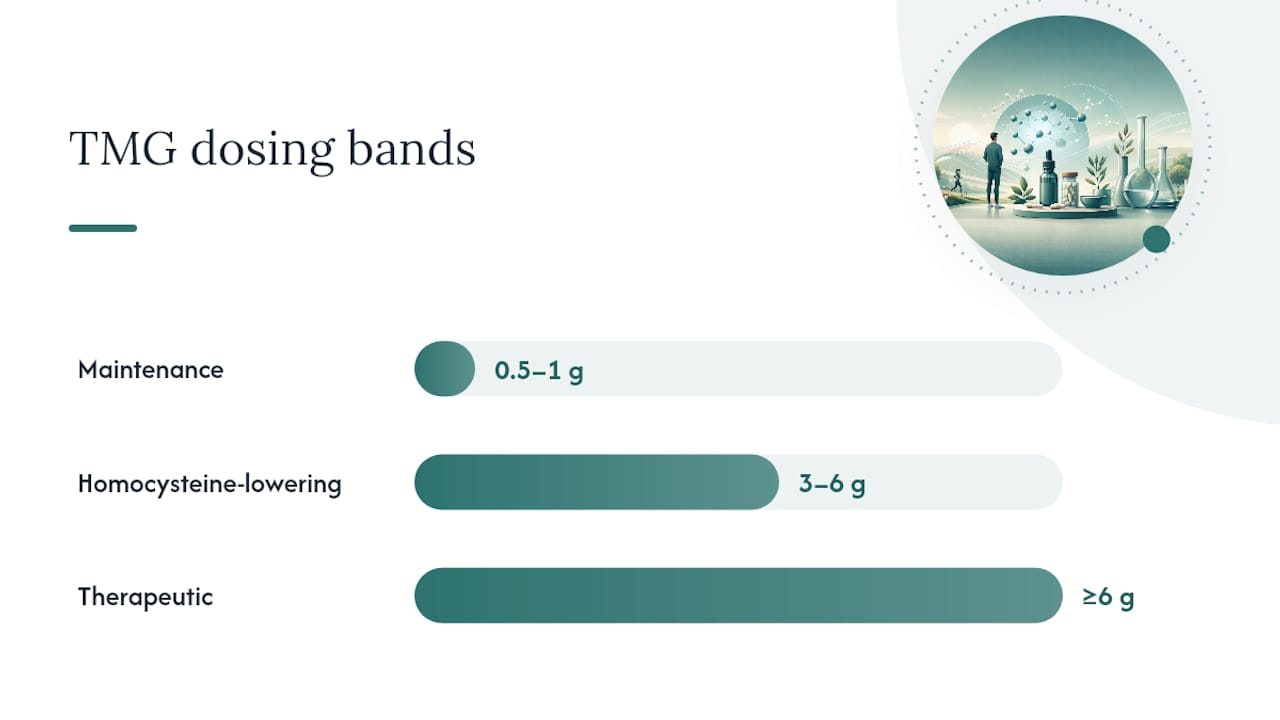
Dose is the variable that decides almost everything else. Research and clinical dosing guidance split roughly into three bands:
- Maintenance range (0.5 to 1 gram daily): typically used for general methylation support, with minimal reported side effects.
- Homocysteine-lowering range (3 to 6 grams daily): the range most trials use, and where mild gastrointestinal symptoms start appearing more often.
- Therapeutic range (6 grams and above, sometimes up to 10 grams or more): used clinically for homocystinuria, where monitoring becomes part of standard care rather than an optional extra.
The pattern is consistent across the evidence: low doses rarely cause trouble, moderate doses occasionally upset the stomach, and high therapeutic doses require actual blood monitoring. Anyone asking about TMG side effects should really be asking “at what dose,” because the answer changes considerably depending on where you sit in that range.
The mild reactions most people report
Gastrointestinal upset dominates the side-effect picture for TMG, and the pattern lines up closely with dose. Healthline’s review of trimethylglycine notes that stomach-related complaints become more common above roughly 6 grams a day, while lower maintenance doses tend to pass without incident.
Here’s what tends to show up, roughly in order of how often people report it:
- Nausea. Often the first sign that a dose is too high for that day, particularly when TMG is taken on an empty stomach.
- Stomach discomfort or cramping. Usually mild and self-limiting, though uncomfortable enough that people notice it within the first hour.
- Loose stools or diarrhoea. Linked to betaine’s osmotic effect in the gut, drawing water into the intestine at higher concentrations.
- Headache. Reported in some clinical cohorts, including cases logged in the RoCH registry, though far less frequently than digestive symptoms.
- Transient nervousness or a jittery feeling. Some users describe a mild alertness spike, likely tied to TMG’s role in neurotransmitter-related methylation pathways rather than any stimulant effect.
Onset is usually quick. Most people who react to TMG notice something within 30 to 90 minutes of taking it, and the discomfort typically resolves within a few hours. It rarely lingers into the next day unless the dose was taken again before the first reaction settled.
Consumer reports gathered from supplement reviews echo the clinical data closely: nausea, cramping, bloating, and general indigestion are the recurring complaints, and they map onto exactly the doses the trials flag as risk points.
Pro Tip: If nausea hits within the first hour of a new dose, don’t push through it by taking more. Drop back to your previous tolerated amount for a few days, then try the higher dose again split across two meals instead of one.
Rare effects that deserve more attention
Most TMG side effects stay mild and short-lived, but a handful of less common reactions carry more clinical weight and are worth understanding before you increase a dose.
- Fishy body odour. This appears almost exclusively at very high doses, generally above 10 grams a day, and stems from a metabolic overflow effect rather than any contamination or product issue.
- Raised total and LDL cholesterol. Trial evidence summarised by Examine shows some studies recording modest cholesterol increases at higher betaine doses, particularly in groups already managing cardiovascular risk factors.
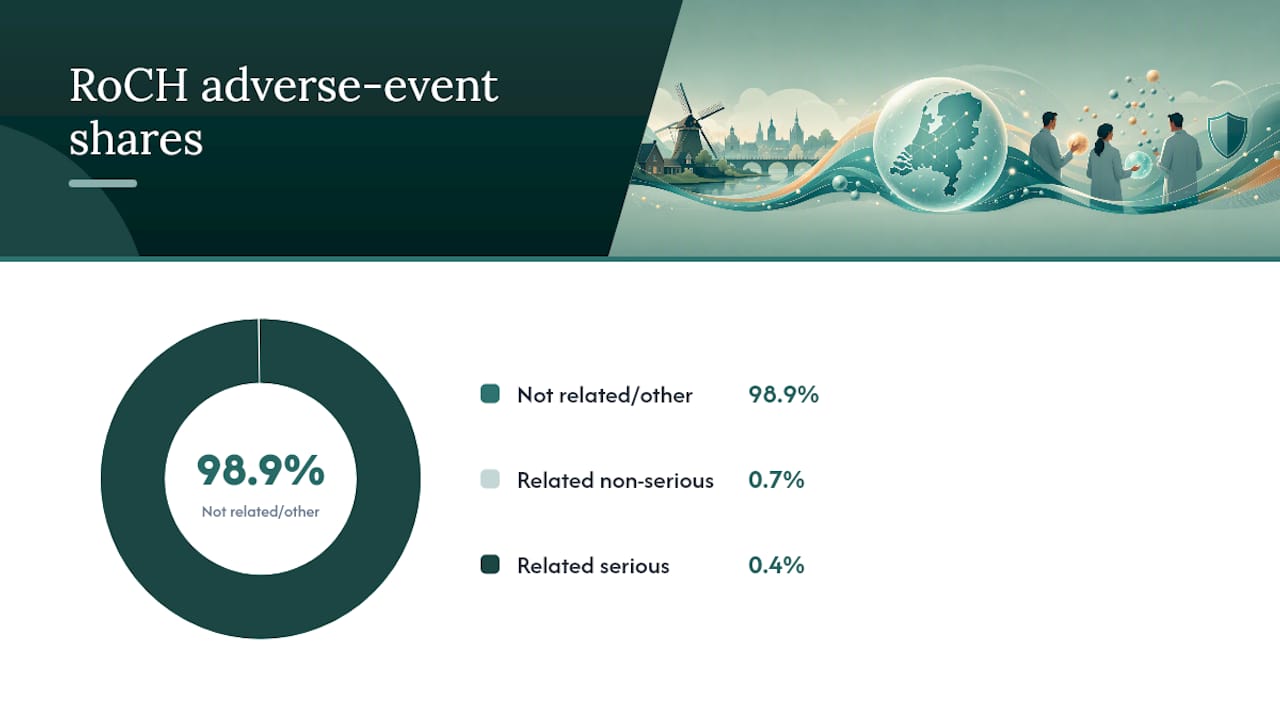
- Rare serious adverse events in registry data. The RoCH registry tracked long-term betaine use in people with homocystinuria and found the overwhelming majority of reactions were mild and non-serious.
Out of 277 recorded adverse events in the RoCH registry, only two non-serious reactions (bad taste and headache) and a single serious event were judged possibly related to betaine treatment.
That single serious event, a case of interstitial lung disease, stands out precisely because it was so rare against a large body of long-term use data. It’s a useful reminder that “rare” doesn’t mean “impossible,” which is exactly why monitoring conversations with a GP matter for anyone on higher, sustained doses rather than occasional supplementation.
The lipid finding deserves its own mention because it cuts against the main reason many people take TMG in the first place. TMG lowers homocysteine reliably, but that cardiovascular benefit can be partly offset if cholesterol drifts upward at the same time, which is why pairing homocysteine tracking with a lipid panel makes more sense than checking one and ignoring the other.
Who should be cautious or avoid TMG supplementation
TMG isn’t universally appropriate, and a few groups face genuinely different risk calculations than the average healthy adult.
- People with homocystinuria or related genetic disorders. These conditions affect how the body processes methionine and homocysteine, and dosing in this context needs specialist oversight rather than self-directed supplementation.
- Pregnant or breastfeeding women. Evidence in this population is limited, so a cautious approach, meaning a conversation with a doctor before starting, is the sensible default rather than assuming general-population safety data applies.
- People with severe kidney or liver impairment. Reduced organ function changes how betaine and its metabolites are cleared, which can shift the risk profile in ways general trials don’t capture.
- Anyone on medications affecting methylation pathways or homocysteine metabolism. This includes certain folate-related and B-vitamin therapies, where combined effects haven’t been extensively studied.
The RoCH registry itself is a useful caution here: its tolerability data comes from a clinical population with CBS-defect homocystinuria under active specialist monitoring, not from healthy adults self-supplementing at home. Good long-term safety in that closely watched group doesn’t automatically transfer to someone taking TMG without any blood work at all. If any of the above applies to you, that conversation with a clinician should happen before the first capsule, not after a reaction.
Practical steps to avoid or manage reactions
Most TMG side effects are entirely preventable with a few adjustments to how and when you take it.
- Start low and build up gradually. Begin at the maintenance range (0.5 to 1 gram) for the first week rather than jumping straight to a homocysteine-lowering dose.
- Split the dose across two meals. Taking half in the morning and half in the evening, rather than one large dose, reduces the osmotic load on the gut at any single point.
- Take it with food. An empty stomach is one of the most common reasons nausea appears, and pairing TMG with a meal blunts that response significantly.
- Stop and reassess if symptoms are more than mild. Persistent vomiting, severe cramping, or any unusual reaction warrants stopping and speaking to a doctor rather than waiting it out.
- Use ginger tea or plain crackers for mild nausea. Simple, low-effort measures that work for most transient digestive upset without needing to abandon supplementation altogether.
Pro Tip: Track your dose and any symptoms for the first two weeks in a notes app. Patterns that seem random day-to-day often turn out to correlate cleanly with dose timing once you actually look at them side by side.
Adjusting the dose downward is the right first move for mild GI symptoms. Medical review becomes necessary only if symptoms are severe, don’t resolve within a day or two, or come with anything outside the typical digestive pattern, such as breathing difficulty or unusual swelling.
What blood tests make sense before and during use
Monitoring needs scale with dose and purpose, and the right baseline for a maintenance user looks very different from what makes sense for someone using TMG to actively lower homocysteine.
For general supplement use at maintenance doses, most healthy adults don’t need routine blood work beyond what a normal annual check-up already covers. But once you’re using TMG specifically to bring down elevated homocysteine, a different standard applies:
- Baseline homocysteine level, checked before starting, gives you a number to measure progress against.
- A basic lipid panel (total cholesterol, LDL, HDL), given the documented link between higher betaine doses and modest cholesterol increases.
- Plasma methionine, specifically for anyone using therapeutic-range doses, since betaine treatment can raise methionine concentrations as part of the same remethylation process that lowers homocysteine.
Rechecking every three to six months is a reasonable rhythm for anyone on sustained higher doses, though your GP is better placed to set exact timing based on your starting numbers.
Clinical monitoring for homocystinuria treatment is considerably more intensive than what a general supplement user needs, involving regular methionine and homocysteine tracking specifically because uncontrolled methionine rises carry rare but serious risks.
A modest lipid rise on its own usually isn’t a reason to stop TMG outright. It’s a reason to flag the number to your doctor and factor it into your overall cardiovascular picture, particularly if you’re already managing cholesterol through other means.
What the clinical evidence actually says
The strongest safety data on TMG comes from populations using it for a genuine medical indication, which is worth keeping in mind when translating that evidence to general supplement use.
- The RoCH registry followed people with homocystinuria over an average of 7.4 years and found betaine anhydrous well tolerated, with the vast majority of reported reactions being mild and non-serious.
- Long-term cohort analyses, summarised in safety research published in the Journal of Inherited Metabolic Disease, report median treatment durations around 6.8 years with no new safety signals emerging over that time.
- Randomised controlled trials consistently show dose-dependent gastrointestinal effects and, in some cohorts, measurable increases in plasma dimethylglycine and total cholesterol, giving a mechanistic explanation for symptoms rather than just an observed correlation.
The RoCH registry’s own conclusion, drawn from years of real-world clinical use, is that betaine anhydrous carries a favourable long-term safety profile in a population monitored far more closely than the average supplement user ever will be.
The gaps matter as much as the findings. Evidence in pregnancy remains limited, population-wide cardiovascular outcome data over decades doesn’t exist, and most of the reassuring long-term numbers come from a clinical population under specialist care rather than people supplementing independently. That distinction should temper how confidently anyone extends “well tolerated in homocystinuria patients” to “safe for everyone, indefinitely, with no oversight.”
Why the safest approach isn’t the most common one
The gap in most TMG advice online isn’t factual accuracy, it’s specificity. Plenty of sources will tell you TMG is “generally safe,” which is true and also nearly useless without knowing at what dose, for what purpose, and for how long. The research actually supports a narrower, more useful claim: TMG is safe for most healthy adults at maintenance-to-moderate doses, and that safety margin narrows the moment you cross into therapeutic territory without any blood work backing you up.
Conventional wisdom tends to treat dose-splitting and starting low as beginner caution you graduate out of. The registry and cohort data suggest the opposite: the people with the best long-term safety outcomes are the ones under active, sustained monitoring, not the ones who built up tolerance and stopped paying attention. That’s a habit worth keeping permanently, not just for the first fortnight.
If there’s one priority to take from all of this, it’s sequencing. Establish your baseline homocysteine and lipid numbers before you start, not after symptoms prompt a test. Reacting to a problem is always messier than anticipating one.
— Jord
Vivetus® TMG: a tested option once you’ve weighed the risks
If you’ve read this far and decided supplementation makes sense for you, the next question is which product actually backs up its dosing with real quality assurance. Vivetus® Trimethylglycine (TMG) comes in 500mg capsules, 60 per bottle, giving you straightforward control over dose splitting since a single capsule sits comfortably within the maintenance range discussed earlier.
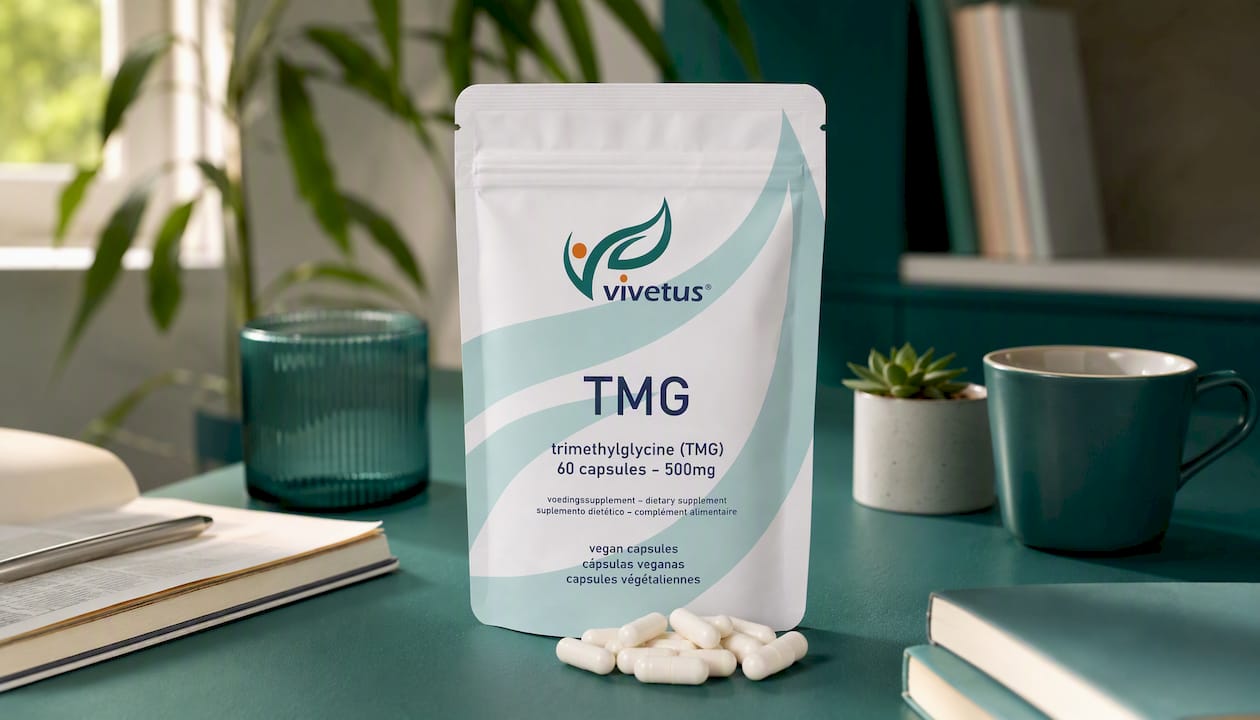
Starting with one capsule alongside a meal, then adjusting gradually based on how your body responds, follows the same titration logic covered throughout this piece. Vivetus tests its products for purity, and full specifications, including exact serving guidance, sit on the product page itself. Orders over €50 ship free, which matters if you’re combining TMG with other methylation support such as NMN.
If you have homocystinuria, are pregnant or breastfeeding, or manage significant kidney or liver impairment, speak to a clinician before ordering. Everyone else can start low, take it with food, and build from there.
This article is general information, not a substitute for advice from a qualified doctor. Consult a qualified healthcare professional about your own circumstances before acting on anything here.
Sources
- Betaine anhydrous in homocystinuria: results from the RoCH registry (PMC)
- Long-term safety studies of betaine anhydrous (Wiley Online Library)
- Examine
- DailyMed – Betaine anhydrous for oral solution (product information)